PFAS in North Texas Water: What New EPA Standards Mean for Allen Homes
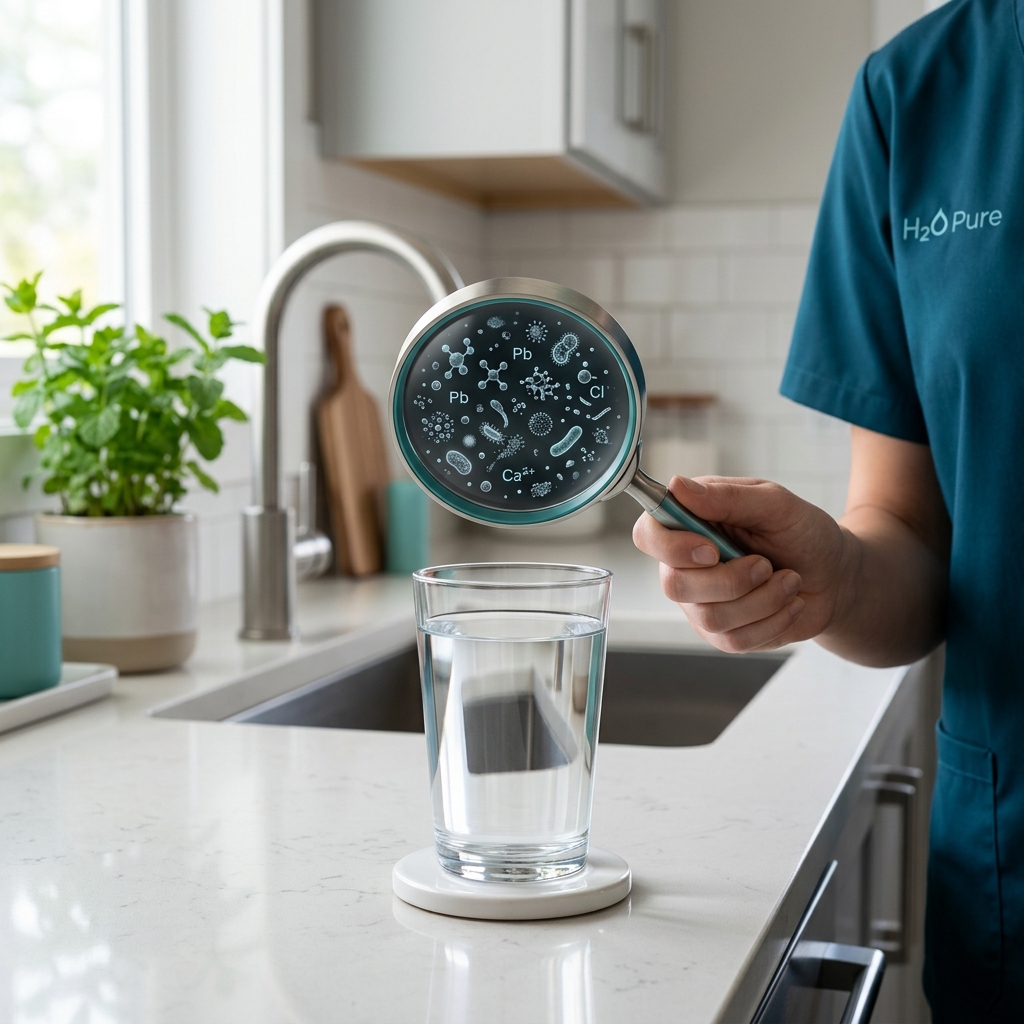
For families in Allen, from Twin Creeks to Waterford Parks, clean water isn't just a convenience – it's a foundation for health and peace of mind. As your dedicated Lead Water Quality Journalist and Technical Educator for ClrWtrCo, I'm here to unpack some crucial new information regarding our water supply, particularly surrounding emerging contaminants like PFAS, and how these new developments directly impact your home in Allen.
The U.S. Environmental Protection Agency (EPA) has just released groundbreaking new standards for "forever chemicals" known as PFAS, marking a significant shift in how we approach drinking water safety. This isn't just a national headline; it's a local conversation for every resident of Allen, whose water is sourced from the North Texas Municipal Water District (NTMWD). Let's explore what these new regulations mean for you and how ClrWtrCo empowers you with proactive, multi-barrier protection.
Understanding PFAS: The 'Forever Chemicals' in Our Water
Per- and polyfluoroalkyl substances, or PFAS, are a group of man-made chemicals that have been used in industry and consumer products since the 1940s. You might find them in non-stick cookware, stain-resistant fabrics, firefighting foams, and some food packaging. The term "forever chemicals" isn't an exaggeration; these substances break down very slowly over time, persisting in the environment and accumulating in our bodies.
PFAS can enter our water sources through various pathways, including industrial discharges, landfill leachates, and even firefighting activities. While the NTMWD, which supplies Allen's treated water, consistently meets all current federal and state drinking water standards, the pervasive nature of PFAS means they are a growing concern in watersheds across the nation, including parts of North Texas.
New EPA Standards and What They Mean for Allen Residents
In a historic move, the EPA has finalized the first-ever National Primary Drinking Water Regulations for PFAS, setting enforceable Maximum Contaminant Levels (MCLs) for six types of PFAS chemicals. This means that for the first time, public water systems like the NTMWD will be legally required to monitor for these specific PFAS compounds and reduce them if they exceed the new strict limits.
For Allen residents, this is a significant step forward, promising greater transparency and protection. However, compliance takes time. Water utilities have several years to implement the necessary monitoring and treatment upgrades. During this transition period, many Allen homeowners, especially those in neighborhoods like StarCreek and Country Brook, are seeking immediate and comprehensive solutions to ensure their family's water is as pure as possible, right now.
Allen's Water Hardness and Beyond: Why Multi-Stage Filtration is Key
Beyond emerging contaminants like PFAS, Allen residents are very familiar with another common water challenge: hardness. Your water from the NTMWD is classified as Moderately Hard to Very Hard, with a typical range of 5.6–11.7 GPG (grains per gallon). This leads to frustrating scale buildup on fixtures, appliances, and within your plumbing, including existing water heaters and tankless systems.
ClrWtrCo offers an advanced catalytic salt-free conditioning system that tackles hard water effectively. Unlike traditional salt softeners, our system uses template-assisted crystallization (TAC) technology. This process transforms hardness minerals (calcium and magnesium) into microscopic crystals that won't stick to surfaces, preventing scale buildup without removing healthy minerals or adding salt. This means:
- No heavy salt bags to carry.
- Zero brine discharge polluting Texas waterways.
- Zero wastewater from regeneration.
- Preserves beneficial minerals while protecting your home.
But our commitment to clean water goes further. While salt-free conditioning handles hardness, a multi-stage filtration approach is essential for emerging contaminants like PFAS, microplastics, chlorine, and chloramines. Our whole-home catalytic carbon filters excel at reducing chlorine, chloramines, volatile organic compounds (VOCs), and some larger PFAS molecules. For unparalleled defense against even the smallest contaminants, including the PFAS compounds targeted by the new EPA standards, an under-sink reverse osmosis (RO) system is the gold standard for drinking and cooking water. This multi-barrier strategy ensures water that's not only free from hardness scale but also from a wide spectrum of invisible threats.
ClrWtrCo's Comprehensive Defense for Your Allen Home
At ClrWtrCo, we believe in proactive water protection. Our tailored systems combine the best technologies to give Allen residents complete peace of mind:
1. Advanced Catalytic Salt-Free Water Conditioner: Stops hard water scale throughout your entire home without the use of salt, preserving your plumbing, appliances, and water heater elements.
2. Whole-Home Catalytic Carbon Filtration: Reduces chlorine, chloramines, taste, odor, and organic compounds from every tap, leaving your showers, baths, and laundry softer and gentler on skin and hair, free from chemical irritation.
3. Optional Under-Sink Reverse Osmosis (RO) System: Provides superior drinking water by effectively removing up to 99% of dissolved solids, including PFAS, microplastics, lead, arsenic, nitrates, and other impurities, right at your kitchen sink.
This comprehensive approach means safer, cleaner water for every activity in your home. You can explore more about our solutions specific to your community on our Allen Water Filtration Page.
Frequently Asked Questions for Allen Residents
Q1: Is Allen's water currently safe to drink with these new PFAS standards in mind?
Allen's water, supplied by the NTMWD, continues to meet all current federal and state drinking water standards. The new EPA PFAS standards are very recent, and public water systems have a period to implement monitoring and treatment. For families seeking immediate, proactive protection against these emerging contaminants, especially while utility-wide upgrades are underway, a multi-stage home filtration system, particularly with reverse osmosis, is the most effective solution.
Q2: How does ClrWtrCo's salt-free conditioning really work for hard water in areas like Twin Creeks or Bethany Creek?
Our advanced catalytic salt-free conditioning system uses Template-Assisted Crystallization (TAC). Instead of removing the hardness minerals (calcium and magnesium) like a salt softener would, TAC causes these minerals to form tiny, inert crystal structures. These crystals remain suspended in the water but lose their ability to "stick" to surfaces, effectively preventing scale buildup on pipes, fixtures, and appliances, all without using salt or creating wastewater.
Q3: How can I find out exactly what's in my Allen tap water?
The best way to understand your specific water quality and potential contaminants is to review your local NTMWD Consumer Confidence Report alongside our water specialists during a Free Virtual Consultation. While the NTMWD provides annual water quality reports, individual home plumbing can also affect water quality.
Ready to Ensure Your Allen Home Has the Clearest Water Possible?
Don't wait for municipal systems to catch up with evolving standards. Take control of your home's water quality today. As a premier veteran-owned water treatment company, ClrWtrCo is committed to providing Allen residents with authoritative information and effective solutions.
Schedule your Free Virtual Consultation with our team to review your neighborhood water data, discuss tailored salt-free solutions, and get a transparent quote for your home.
Curious about your water knowledge? Take our quick ClrWtrCo Water Quiz to learn more!