How to Get Rid of Hard Water in Your Home
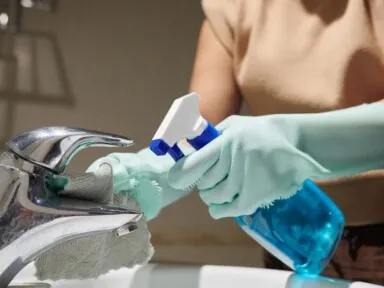
Hard water leaves scale because it contains elevated calcium and magnesium. Test the hardness, then choose a softener or scale-control system matched to the result.
White crust on faucets, cloudy shower glass, spotted dishes, and soap that will not lather well are common signs of hard water. Cleaning removes the deposits you can see, but it does not change the water entering your Dallas-Fort Worth home. A lasting solution starts with a hardness-specific test and a system sized for your household's plumbing and water use.
What Is Hard Water?
The U.S. Geological Survey defines water hardness mainly by the amount of dissolved calcium and magnesium in the water. Those minerals are not the same thing as sediment, chlorine, or every substance measured by total dissolved solids (TDS).
As hard water evaporates or is heated, minerals can form scale on fixtures, shower glass, heating elements, and inside water-using equipment. Hardness also reacts with soap, so a household may use more detergent and still notice film or residue.
How Do You Know Whether Your Water Is Hard?
Visible scale is a clue, not a measurement. Use a test that reports total hardness in grains per gallon (gpg) or milligrams per liter as calcium carbonate. A drop-count titration kit or a properly performed professional test is more useful for sizing equipment than a basic soap-bottle test.
Do Not Use TDS as a Hardness Test
A TDS meter measures electrical conductivity and estimates the total concentration of dissolved ions. It does not isolate calcium and magnesium. Two homes can have similar TDS readings and different hardness levels, so a TDS number alone should not determine which treatment system you buy.
Test at the Home
Municipal water reports describe the water system, but conditions can vary by source, season, and plumbing. Test the water at the property before selecting equipment. Private-well owners may also need laboratory testing for concerns beyond hardness.
Which Treatment Actually Removes Hardness?
The right answer depends on whether you want true soft water, scale reduction, drinking-water treatment, or a combination.
Ion-Exchange Water Softener
An ion-exchange softener removes calcium and magnesium from the household water and exchanges them for sodium or potassium ions. This is the standard whole-home treatment when the goal is measurable soft water, better soap performance, and control of hardness scale.
The system must be sized for the tested hardness, peak flow rate, number of residents, and available drain and electrical connections. It also requires regeneration and periodic salt or potassium refills. Review ClrWtrCo's water softener installation options and standard softener and filtration system for the basic configuration.
Salt-Free Water Conditioner
A salt-free conditioner is a scale-control option. It changes how hardness minerals behave so they are less likely to attach to surfaces, but it does not remove calcium and magnesium or produce laboratory-measured soft water. It can be a useful choice for homeowners who want lower-maintenance scale prevention and understand that some spotting and hardness test readings will remain.
See the salt-free conditioner overview for the intended use and limitations.
Whole-Home Carbon Filtration
Activated carbon is commonly used for chlorine, taste, and odor concerns. Carbon filtration does not remove hardness minerals and should not be sold as a water softener. It can be paired with a softener or conditioner when a home has both hardness and disinfectant concerns.
Reverse Osmosis
Reverse osmosis can reduce many dissolved minerals at a dedicated drinking-water faucet. It is useful for cooking, ice, and drinking water, but a typical under-sink RO system does not treat showers, laundry, water heaters, or the rest of the home. Compare the reverse osmosis installation options if drinking-water quality is a separate priority.
What Can You Do About Existing Hard-Water Scale?
Diluted white vinegar or a manufacturer-approved descaling product can loosen mineral deposits on many fixtures and appliances. Check the care instructions first, especially for natural stone, specialty finishes, coffee makers, and water heaters. Descaling treats existing buildup; it does not prevent new scale while hard water continues to enter the home.
Boiling is not a practical whole-home hardness treatment. It may cause some temporary hardness minerals to precipitate inside a kettle, but it does not protect the plumbing system and can leave concentrated mineral residue behind.
How to Choose the Right Hard-Water System
Before comparing equipment, collect the facts that affect sizing and performance:
- Measured total hardness in gpg or mg/L as calcium carbonate
- Water source: municipal supply or private well
- Iron, manganese, chlorine, and other concerns that may need separate treatment
- Household size and typical water use
- Peak flow rate and plumbing size
- Space, drain, electrical, and maintenance requirements
- Written product specifications, warranty terms, and expected service schedule
Avoid choosing equipment from a TDS reading, a generic city average, or a claim that one system removes every possible concern. The best design is the smallest system that reliably addresses the water test and the household's actual goals.
Start With a Hardness Test, Not a Sales Pitch
ClrWtrCo tests the water, reviews the plumbing, and explains the difference between softening, scale control, whole-home filtration, and drinking-water treatment. The recommendation should match the test results and clearly state what the proposed equipment will do and what it will not do.
Request a free in-home water test and system quote for a Dallas-Fort Worth home.
Common Questions About Hard Water
Do shower-head filters soften water?
No. Most shower-head filters are designed for chlorine, sediment, or odor concerns. They generally do not remove the calcium and magnesium that create hardness.
Does a carbon filter remove hard water?
No. Carbon filtration can improve taste and odor and reduce selected compounds, but it does not remove hardness minerals. A softener or scale-control device serves a different purpose.
Is salt-free conditioning the same as softening?
No. A salt-free conditioner can reduce scale formation, while an ion-exchange softener removes hardness minerals. The water from a conditioner will still test as hard.
Can vinegar fix hard water?
Vinegar can dissolve some existing mineral residue on compatible surfaces. It does not treat the incoming water, so deposits will return unless the underlying hardness is addressed.
Can hard water damage a water heater?
Hardness scale can collect on heating surfaces and inside tanks. The effect depends on water chemistry, temperature, maintenance, and equipment design. If performance has already declined, arrange service and review the water softener repair guidance before replacing equipment.