TDS Meter: Your First Look at Dallas-Fort Worth Home Water Quality
TDS Meter: Your First Look at Dallas-Fort Worth Home Water Quality
Wondering what’s in your Dallas-Fort Worth tap water? Get your FREE home water system estimate from ClrWtrCo today!
Do you ever wonder what's truly in your home's tap water in Dallas-Fort Worth? It's important to know that the water you drink every day is safe and clean. One handy tool that can give you a quick peek at your water's quality is a TDS meter. At ClrWtrCo, we want to help you understand your water better. Let's explore what a TDS meter does and why it's a good first step for great water!
What is a TDS Meter?
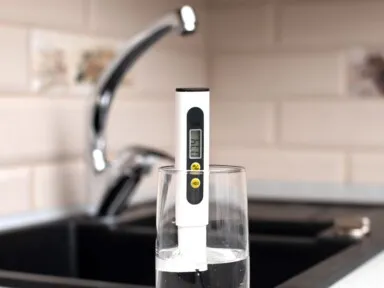
A TDS meter is a small, easy-to-use tool. Think of it like a quick health checker for your water! TDS stands for "Total Dissolved Solids." This just means all the tiny bits of stuff, like minerals and salts, that are dissolved in your water. You can't see them, but they're there. A TDS meter helps you find out how much of this invisible stuff is in your tap water.
These "dissolved solids" can be things like calcium, magnesium, or other natural salts. Some are harmless, but too much of any kind can be a sign that your water isn't as clean or pure as it could be.
How Does a TDS Meter Work?
It's pretty smart! When you dip a TDS meter into water, it sends a tiny, harmless electric signal through the water. The more dissolved solids there are, the easier the electricity can travel. The meter then uses this information to give you a number. This number tells you the "TDS level" of your water. It's usually measured in "parts per million," or PPM.
What Do Your TDS Numbers Mean?
When your TDS meter gives you a number, that number is in PPM. PPM means "parts per million." Imagine if you had a million tiny dots, and some of them were dissolved solids – that's what PPM tells you!
The Environmental Protection Agency (EPA) says that for drinking water, a TDS level below 500 PPM is generally considered safe. But at ClrWtrCo, we know you want more than just "safe" – you want truly clean and tasty water for your Dallas-Fort Worth home!
High TDS and Hard Water
Sometimes, a high TDS reading means you have "hard water." Hard water has a lot of minerals like calcium and magnesium. It can cause problems you might notice every day, such as:
- White spots on your dishes and shower doors
- Clothes that don't feel truly clean after washing
- A strange taste or smell in your water (sometimes metallic)
Important Note: Even if your water has a high TDS, it doesn't always mean it's hard. And water softeners will help with hardness but won't get rid of all TDS. It's always best to have a water expert from ClrWtrCo take a look.
What's an "Excellent" TDS Level for Your Water?
While under 500 PPM is considered safe by the EPA, here's what we at ClrWtrCo consider ideal for truly great water:
- 50-150 PPM: Excellent! Your water has very few dissolved solids. This is top-notch!
- 150-250 PPM: Good. Your water is still in good shape.
- 250-300 PPM: Fair. You might start noticing some taste or smell differences, and this could be a good time to think about a water purification system.
- Over 300 PPM: This level often means you'll notice issues with taste, smell, or hard water signs. It's a strong sign to call ClrWtrCo for a closer look!
Remember, it's normal for water to have some dissolved solids – a zero reading is usually only for special water like distilled water.
Beyond the Faucet: Other Ways to Use a TDS Meter
TDS meters are mostly used for checking drinking water. But they're also helpful for other things like:
- Swimming Pools and Fish Tanks: Making sure the water is just right for happy swimmers and fish.
- Gardening Without Soil (Hydroponics): Helping plant lovers control the minerals their plants drink.
What a TDS Meter *Doesn't* Tell You
While a TDS meter is a good first step, it has some limits. It will tell you how much stuff is dissolved in your water, but it won't tell you what kind of stuff it is.
For example, a high reading could be from harmless minerals like calcium. But it could also be from bad things you don't want to drink. The TDS meter can't tell the difference!
Even more important: there are many harmful things that a TDS meter cannot find at all. These include:
- Germs and bacteria (tiny living things that can make you sick)
- Harmful metals like lead
- Chemicals like pesticides or chlorine
- Certain pollutants that don't conduct electricity well
This is why a simple TDS meter is never enough for a full picture of your water's safety.
Why Professional Water Testing is Your Best Bet for Dallas-Fort Worth Homes
Think of a TDS meter as a warning light on your car. It tells you something is up, but not exactly what is wrong. For true peace of mind about your family's water, you need a full check-up from an expert.
At ClrWtrCo, our water experts come right to your Dallas-Fort Worth home. We do a special, detailed water test that goes much deeper than a simple TDS meter. We can find out:
- Exactly what is in your water (good or bad)
- How much of each thing is there
- If there are any hidden dangers that a TDS meter would miss
With this clear picture, we can help you understand your results. Then, we can create a special plan just for your home to make sure your water is as clean and pure as possible. This might include a custom water filtration system or other solutions designed for your needs.
Ready for Truly Clean Water?
A TDS meter is a helpful first step to check your water. But for real answers and true peace of mind, trust the water experts at ClrWtrCo.
We offer FREE home water evaluations for our neighbors in Dallas-Fort Worth. We'll give you a detailed report and show you the best ways to make your water sparkling clean and safe.
Don't guess about your water quality. Know for sure!
Call ClrWtrCo today to schedule your FREE water test!