Are Public Water Fountains Filtered? What You Need to Know
Are Public Water Fountains Filtered? What You Need to Know
Enter your zip code to get your FREE home water system estimate from ClrWtrCo!
Staying healthy means drinking enough water every day. Sometimes, a public water fountain is the only way to get a drink when you're out and about. But is the water from these fountains truly safe to drink?
The truth is, some public water fountains have filters, but many do not. Even when they do, not all filters are the same. It’s important to know what you’re drinking! Let’s learn more about these handy water stops and how safe their water might be.
Not All Water Fountains Are Built the Same
The type of water fountain and where it’s located can change if its water is filtered or not.
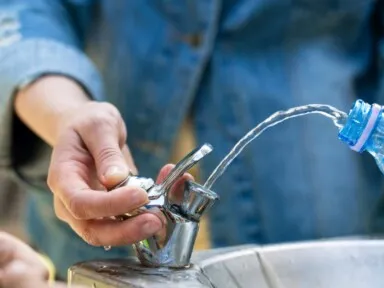
Think about it: not all water fountains look or work the same. To find out if a public fountain is filtered, you first need to see what kind it is. You probably know the old-style fountains where water shoots up sideways. But now, you see more modern stations where you can fill your water bottle. These are different from the water coolers you might find in an office.
You can find water fountains in many places, like school hallways, community centers, and office buildings. Where a fountain is and what it's used for can tell you if its drinking water is filtered.
Do Water Fountains Have Filters?
Many older water fountains do not have filters. But newer models often come with systems to clean the water. Here’s what you should know about the types of filters you might find and how well they work.
Generally, there are three main types of filters you might see in public drinking fountains:
- Sediment Filters: These are like a strainer. They catch bigger bits like dirt, rust, and sand from the water. They make the water look clearer.
- Activated Carbon Filters: These filters are good at taking away bad tastes and smells from the water. They can also remove some chemicals, making the water taste better.
- UV (Ultraviolet) Water Purification: This is a special light that kills tiny germs like bacteria and viruses. UV systems can remove almost all these harmful little creatures, making the water much safer from sickness.
While sediment and carbon filters help, they don't remove everything. They usually don't get rid of all harmful germs or heavy metals like lead. UV purification is needed for that extra layer of safety.
Why You Should Care About Public Fountain Water
It’s normal to worry about drinking from public water fountains.
Water from fountains that aren't filtered can have many bad things in it. This includes germs (like bacteria and viruses that can make you sick), heavy metals such as lead, and other bad chemicals. Since these fountains get their water from the city supply, knowing about your local water quality can help you guess what might be in the water.
Public water fountains should be cleaned often – at least every six months. But this doesn't always happen. It’s a good idea to look at the fountain yourself before you drink from it. Look for signs that it hasn't been kept clean, such as:
- Slimy buildup or mold
- Rust stains
- Cracks or broken parts
- Dirt or trash around the spout
The government (Environmental Protection Agency or EPA) has rules to keep drinking water safe in general. But they don't have special rules just for water fountain filters. Fountains should be cleaned and checked regularly, but sometimes, nobody makes sure it gets done.
Newer water fountains often have some kind of filter, like a sediment and carbon filter, to remove dirt and bad stuff. However, these filters might still let germs, viruses, and heavy metals stay in the water.
Safe Ways to Get Water When You’re Out
If you don't feel good about drinking from public water fountains, you have other choices.
- Carry Your Own Water Bottle: This is one of the easiest ways! Use a reusable bottle from home or a single-use plastic one.
- Water Bottles with Filters: Some water bottles have a filter built right in! You can fill them up at any public fountain, and the bottle itself will clean the water.
- Find Filtered Fountains: You can use online tools or apps (like "Tap") to help you find public water fountains near you, including ones that are known to be filtered.
At ClrWtrCo, we believe everyone deserves clean, safe water. While public fountains can be tricky, a reliable home water system from ClrWtrCo gives you peace of mind every day.
Common Questions About Water Fountains
Q: Is a public drinking fountain connected to city water?
A: Yes, like most water faucets in buildings, drinking fountains get their water from the local city water supply.
Q: Are public water fountains usually filtered?
A: Many older public fountains in places like schools, malls, or gyms are often not filtered. But newer models, especially those with bottle fillers, are more likely to have a built-in carbon filter system.
Q: How can I tell if a water fountain is filtered?
A: Look for a label on the fountain that says "filtered water" or a display that shows the filter status. If you can’t find any sign that it’s filtered, you can ask the building staff or management team.
Ready for truly clean water at home? Contact ClrWtrCo today for your free estimate and discover the right water solution for your Dallas-Fort Worth home!