The Secret Source of Your Well Water (and How to Keep It Clean!)
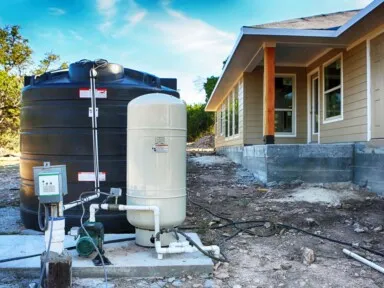
The Secret Source of Your Well Water (and How to Keep It Clean!)
Many homes in Dallas-Fort Worth use well water every day. It’s a great way to get water right from your own land! But have you ever wondered where that water really comes from? It’s a cool journey, and understanding it helps you keep your water safe and clean.
Ready to know what's in your well water? Enter your zip code now for a FREE home water system estimate from ClrWtrCo!
What is Well Water?
Well water is simply water that comes from deep underground. It doesn't come from the city water pipes. Instead, it's pulled up from a special place under the earth.
Where Does This Water Live Underground? Meet Groundwater!
Think of the ground like a giant sponge. When it rains, some water soaks into the earth instead of running off. This water travels down through the soil and rocks. Once it gets deep enough and stays there, we call it groundwater.
Groundwater is just water that's stored naturally deep inside the Earth. It comes from rain, melted snow, or even water that plants didn't use.
The Earth's Hidden Water Bank: The Aquifer
So, where does all that groundwater go? It collects in huge underground areas called aquifers. An aquifer is like a giant, natural storage tank made of layers of rock, sand, and gravel. These layers not only hold the water, but they also act like a natural filter, cleaning the water as it passes through!
Imagine your well is a straw, and the aquifer is your giant underground juice box. It holds the water until you’re ready to drink it!
Two Kinds of Aquifers:
1. Unconfined Aquifer: This type of aquifer is closer to the surface. It’s like an open cup that gets refilled directly by rain soaking into the ground.
2. Confined Aquifer: This one has layers of clay or hard rock sitting on top of the water. Water has to slowly seep through these top layers to get to the aquifer below, which helps filter it even more.
How Do Wells Get Water from an Aquifer?
A well is basically a big hole dug or drilled deep into the ground until it reaches an aquifer. Once the well taps into this underground water source, a pump brings the water up to your home.
There are different ways to make a well:
- Dug Wells: These are wider and not as deep, often made by hand.
- Driven Wells: These are made by driving a small pipe into the ground.
- Drilled Wells: These use special drilling equipment to go very deep into the earth.
All these wells are designed to do the same job: bring clean water from the aquifer to your tap! Wells are pretty sturdy and usually last a long time, as long as they are taken care of.
Why Your Well Water Needs Special Care
Even though aquifers filter water, many things can affect how clean your well water is.
Natural Stuff:
- Rocks and Minerals: As water moves through the ground, it can pick up natural minerals like magnesium or even heavy metals from the rocks and soil.
- Filtering Power: Some rocks, like sandstone, are good at filtering water because they have lots of tiny holes. Other rocks, like granite, are harder and don't filter as well.
- Dry Spells: When there's a drought or the water level is low, water might not be as clean because there's less of it to dilute any issues.
Human Stuff (The Bad News):
Sadly, humans cause many of the worst problems for well water. Aquifers are amazing, but they can’t filter out everything!
- Farm Chemicals: Things like pesticides and fertilizers used on farms can wash into the ground and get into your well water.
- Waste: Badly maintained septic systems, animal waste, or improper trash disposal can also pollute groundwater. These can bring harmful germs and chemicals into your water.
Well Water vs. City Water: Who’s in Charge of Clean?
When you have city water, the city handles all the cleaning and testing. With well water, you are in charge of making sure your water is safe to drink! This is a big difference.
The good news is that well water can save you money and gives you more control over your home's water. The challenge is making sure it stays clean.
Keeping Your Well Water Safe and Clean
Because you’re in charge, it’s super important to test your well water often.
- Test Yearly: Experts say you should test your well water at least once a year. This helps catch any problems before they become serious.
- Watch for Changes: If you ever notice your water looks cloudy, smells funny, or tastes different, get it tested right away!
- ClrWtrCo Can Help! Our water experts know all about DFW well water. We can test your water for any harmful stuff and then recommend a special water purification and filtration system just for your home. We make sure your well water is safe and delicious!
Don't wait! Get your FREE home water system estimate today and ensure your family has the cleanest water possible.
Your Well Water Questions Answered!
Q: Where does the water in my well come from?
A: Your well water comes from groundwater stored in natural underground areas called aquifers. Wells are dug or drilled into these aquifers to pull the water out.
Q: Can a well run out of water?
A: Yes, sometimes. If there hasn't been enough rain (a drought) or the local water levels get very low, a well might not have enough water. You can help by using less water during dry times.
Q: Is well water safe to drink?
A: Absolutely, as long as your well is well-maintained and its water is tested regularly! Testing helps you know if your water is safe and what kind of filtration it might need.
Q: How does a well bring water to my house?
A: A well works by using a pump inside the well. This pump pulls the water up from the underground aquifer and sends it through pipes to your home.