Plastic Bottles Everywhere: Get Clean Water, Stop Waste!
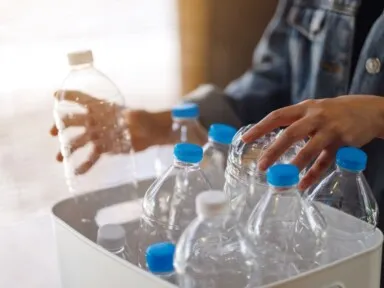
Plastic Bottles Everywhere: Get Clean Water, Stop Waste!
Have you ever thought about how many plastic bottles we use? They're everywhere! We grab them for water, juice, and soda because they're easy to use. But there's a big problem hiding behind all that convenience.
Every single day, people in the United States use more than 100 million plastic bottles. Around the whole world, that number shoots up to over a billion! That's a huge mountain of plastic that hurts our Earth.
Want to help make a difference right from your home?
Enter your zip code to get your FREE home water system estimate from ClrWtrCo today!
The Big Problem with Plastic Bottles
Since the 1970s, plastic bottles became super popular. They're cheap and easy to throw away. But this "easy" choice comes with a high cost for our planet.
The United States uses a lot of plastic bottles – about 50 billion every year. That's like 137 million bottles every single day! All this plastic turns into waste that pollutes our land and water.
This problem keeps growing. Even with some new choices like paper or aluminum bottles, plastic is still king. This means more and more plastic waste keeps piling up, with no end in sight unless we make changes.
Where Does All That Plastic Go?
When you throw away a plastic bottle, what happens to it?
- Overflowing Landfills: Many bottles end up in giant piles of trash called landfills. These piles grow bigger and bigger.
- Polluted Oceans: Too many bottles find their way into our rivers and oceans. They float around, harming sea animals.
- Tiny Plastic Bits (Microplastics): Over time, plastic bottles break down into super small pieces. We call these tiny pieces "microplastics." You can't always see them, but they get into everything – our soil, our water, and even the food we eat.
These microplastics are not good for animals. They can make fish and other sea creatures sick, affecting how they grow and live. And guess what? These tiny plastic bits can also get into our drinking water, which might not be good for us either. Some people can get stomach problems or skin rashes from polluted water.
Making Plastic Also Harms the Earth
It's not just the waste that's a problem. Making plastic bottles uses a lot of energy and fossil fuels. These fuels create dirty air, adding to climate change. In fact, making plastic bottles in the U.S. uses enough fuel to power 1.3 million cars for a year!
Good News! Your Home Can Help!
The good news is we can all do something about this big plastic problem. A simple switch can save hundreds of plastic bottles each year!
Choose Reusable Bottles
Instead of buying new plastic bottles all the time, use a bottle you can fill again and again.
- Stainless Steel Bottles: These last a long time, often for years!
- Glass Bottles: You can reuse glass bottles forever. Just be careful not to drop them.
- BPA-Free Plastic Reusable Bottles: These are also a good choice, but you might want to replace them after about a year.
Get Clean Water Right from Your Tap with ClrWtrCo!
The best way to use reusable bottles is to fill them with clean, tasty water from your home. ClrWtrCo can help you with a special system right under your kitchen sink.
This system is called a Reverse Osmosis (RO) system. It's like a superpower filter that makes your water super clean. It takes out all the bad stuff, so you have purified water ready to drink. No more buying bottled water!
Sometimes, an RO system makes water so clean it takes out some good stuff too, like healthy minerals. But don't worry! ClrWtrCo can add a special part to your RO system called a remineralization cartridge. This puts back good minerals like potassium and calcium, making your water even better for you.
Other Smart Ideas to Fight Plastic
Scientists and companies are working on new ways to package water without so much plastic:
- Paper Bottles: Some drinks now come in paper cartons.
- Plant-Based Plastics: These are made from things like corn or sugarcane instead of oil.
- Edible Water Pods: Imagine eating your water bottle! These are not common yet, but they show how smart people are thinking about a future with less plastic.
Let's Make a Change Together!
Plastic bottles have caused a lot of harm to our Earth. They fill our landfills, pollute our oceans, and spread tiny plastic bits everywhere. We need to find better ways to drink water.
Choosing a reusable water bottle and filling it with purified water from your home is one of the easiest and best things you can do. A clean water system from ClrWtrCo not only gives you safer, tastier drinking water but also helps save our planet from plastic waste.
Ready to make a difference and enjoy clean water at home?
Contact ClrWtrCo for your FREE home water system estimate today!
Quick Facts to Remember:
- More than 1 billion plastic bottles are used worldwide every single day.
- Plastic waste hurts animals in our water, making them sick.
- Reusable bottles made of glass, stainless steel, or special plastic are great ways to stop plastic waste.
- A home water filter, like an RO system from ClrWtrCo, gives you clean water so you don't need plastic bottles!