Is Reverse Osmosis Water Healthy? Your Easy Guide from ClrWtrCo!
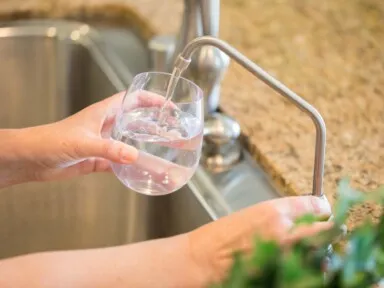
Is Reverse Osmosis Water Healthy? Your Easy Guide from ClrWtrCo!
Everyone wants clean, healthy water to drink. But not all water is the same. Maybe you've heard about something called Reverse Osmosis (RO) water. It's a special way to make your water super clean and fresh. But is it really good for you? Is it the best choice for your family in Dallas-Fort Worth?
At ClrWtrCo, we believe you should know! This guide will help you understand what RO water is, what's good about it, and what you should think about. By the end, you'll know if RO is right for your home.
Ready to find out about your water?
Enter your zip code to get your FREE home water system estimate from ClrWtrCo today!
What is Reverse Osmosis (RO) Water?
Imagine a super-fine screen that lets only tiny water drops pass through, leaving all the bad stuff behind. That's kind of how Reverse Osmosis (RO) works!
RO is a smart way to clean your drinking water. It pushes your tap water through a special filter, like a super tiny sieve. This filter is called a "semipermeable membrane." It catches tiny bits like:
- Dirt
- Heavy metals (like lead)
- Bad chemicals (like chlorine)
- Pesticides
- And even salt!
Only the really clean, pure water gets through. This makes your water taste much better, smell fresh, and be safer for you and your family. Even if your city water is treated, RO can make it even better. If you have well water, RO can be a big help too!
ClrWtrCo offers top-notch RO systems for homes in Dallas-Fort Worth. Let us help you get cleaner water!
Good and Bad: What to Know About RO Water
Just like anything, RO water has good points and things to think about. Let's look at them so you can make a smart choice for your home in Dallas-Fort Worth.
Good Things About RO Water!
1. Gets Rid of Bad Stuff
RO systems are great at catching things that can make you sick. This includes harmful stuff like:
- Lead (a metal that's bad for you)
- Arsenic (another bad chemical)
- Fluoride (in high amounts)
- Other things that don't belong in your water!
When these bad things are gone, your water is much safer to drink. It also tastes and smells better! No more weird smells or cloudy water. This is super important if you worry about your water quality.
2. Makes Water Taste and Smell Great!
Ever take a sip of water and it just tastes... off? Or maybe it smells like a swimming pool? That's often from chlorine or other chemicals. RO water fixes this! It gets rid of those bad tastes and smells, leaving you with water that's truly clean and refreshing. It's perfect for:
- Drinking
- Making ice cubes
- Brewing your morning coffee
- Cooking yummy meals
Things to Think About with RO Water
1. It Takes Out Good Minerals Too
RO is so good at cleaning water that it can also take out some of the good natural minerals. These are things like calcium, magnesium, and potassium. Your body needs these minerals for strong bones and muscles.
Don't worry though! You can still get these minerals from the food you eat. Or, some RO systems can add these good minerals back into your water. These are called "remineralization filters." ClrWtrCo can help you find a system that adds back these important minerals!
2. It Can Be a Little More "Sour"
Sometimes, RO water can be a tiny bit more "acidic" or "sour" than regular water. Think of it like comparing lemon water to plain water. Most people won't even notice, and it's usually not a problem for your health.
But if you like water that's a little less sour, you have options! You can add a tiny pinch of special mineral salt, or get a filter that helps balance the water's "sourness." ClrWtrCo can show you these special filters!
Other Important Things to Know About RO
RO systems give you super clean water, but there are a few other things to keep in mind.
1. Some Water Goes Down the Drain
RO systems are great at cleaning, but they use a little extra water to do it. For every glass of super clean water you get, some water (with all the bad stuff taken out) goes down the drain. This "waste water" makes sure the system stays clean.
If you care a lot about saving water, don't worry! Newer RO systems are much smarter. They are called "high-efficiency" systems, and they waste much less water. ClrWtrCo can help you find one of these!
You can also be clever with the wastewater. Sometimes, you can collect it to water your plants or clean outside. Just make sure the water's waste isn't bad for your plants!
2. What About Cost and Keeping It Working?
An RO system costs money to buy and set up. How much depends on how big it is and what special features it has (like adding minerals back or saving more water).
After you get it, you'll need to take care of it! This means changing the filters now and then, just like you change the oil in a car. This keeps your water super clean and the system working right.
ClrWtrCo can help you choose the best RO system for your home and budget in Dallas-Fort Worth. We also help with installation and maintenance so you never have to worry!
Are There Other Ways to Clean My Water?
Maybe an RO system isn't exactly what you need. That's okay! ClrWtrCo offers other ways to get cleaner water, like:
- Whole-home water filters: These clean all the water coming into your house.
- Water softeners: These help with hard water spots and soap scum.
ClrWtrCo can help you figure out the best water solution for your home!
So, Is RO Water Right For You?
If you want the cleanest, freshest water and want to get rid of harmful stuff, Reverse Osmosis is a fantastic choice for your Dallas-Fort Worth home.
If you're worried about losing good minerals, remember that ClrWtrCo offers RO systems that put them back! And if you want to save water, we have "high-efficiency" systems too.
The best water system for you depends on your family's needs, your budget, and what your water is like now. No matter what, getting clean, healthy water is one of the best things you can do for your family.
Ready to explore your options for pure water?
Enter your zip code to get your FREE home water system estimate from ClrWtrCo today!
Quick Answers to Your Questions About RO Water
Q: Is RO water safe to drink every day?
A: Yes! RO water is very safe and healthy. It takes out lots of bad stuff. Since it also takes out some good minerals, just make sure you get enough from your food, or ask ClrWtrCo about RO systems that add minerals back in!
Q: Is RO water better than distilled water?
A: Both clean water well! But RO water usually tastes better and uses less energy to make.
Q: Is RO better than a regular water filter?
A: Yes, RO is much better at cleaning water. It removes tiny particles, medicines, and heavy metals that regular filters often miss. If you want the purest water, RO is the way to go! Regular filters are good for improving taste and removing chlorine, and they cost less.
Q: Does RO water help you drink more water?
A: Many people find that because RO water tastes so clean and fresh, they want to drink more of it! This helps you stay healthy and hydrated.
Q: Does RO water take out good minerals?
A: Yes, it takes out both the bad and good minerals. But as we talked about, you can get these minerals from food, or choose an RO system from ClrWtrCo that adds them back in.