What is Artesian Water? Is It Safe for Your Dallas-Fort Worth Home?
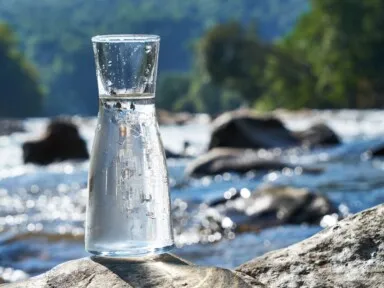
What is Artesian Water? Is It Safe for Your Dallas-Fort Worth Home?
You might know about bottled spring water or filtered water for your home. But have you ever heard of artesian water? It's a special kind of water that comes from deep underground. People often wonder if it's super pure and safe.
At ClrWtrCo, we help Dallas-Fort Worth homes get clear, safe water. So, let's learn all about artesian water, where it comes from, and what it means for your family's drinking water!
Want to know about your home's water?
Enter your zip code to get your FREE home water system estimate today!
Where Does Artesian Water Come From? Think Deep Underground!
Artesian water starts far, far below the ground. To understand it, let's talk about special underground places called "aquifers."
What are Aquifers?
Imagine giant sponges made of rock, sand, and gravel, buried deep in the Earth. These sponges hold water! This water comes from rain and melted snow that soaks into the ground.
There are different kinds of aquifers:
- Unconfined Aquifers: These are closer to the surface, just under the dirt.
- Perched Aquifers: Small pockets of water, also close to the surface.
- Confined Aquifers: This is where artesian water lives! These aquifers are very deep. They are trapped between layers of hard, solid rock that water can't get through.
Rain and snow fill these deep confined aquifers. Because the water is trapped by strong rock layers, it builds up a lot of natural pressure.
What Makes an Artesian Well Special?
When someone drills a well into one of these deep, confined aquifers, they create an artesian well.
The amazing thing about artesian wells is that the strong natural pressure pushes the water up towards the surface. It's like squeezing a full water balloon – the water wants to come out!
- No Pump Needed (Sometimes!): Often, this pressure is so strong that the water naturally flows right out of the well and up to the ground! These are called "flowing artesian wells."
- Still Needs a Pump (Sometimes!): If the pressure isn't quite strong enough to push the water all the way out, a small pump might be needed to bring it the rest of the way up. These are "non-flowing artesian wells."
The word "artesian" actually comes from a town in France called Artois. People there drilled the first wells like this a very long time ago!
Is Artesian Water Pure and Clean? Not Always!
Many people think that because artesian water comes from so deep and is "naturally filtered," it must be perfectly safe to drink. While it's true that the water goes through layers of rock and dirt on its way up, which does remove some dirt and large particles, it's NOT a guarantee of safety.
Why Natural Filtering Isn't Enough:
- Hidden Dangers: Even after natural filtering, artesian well water can still have tiny things you can't see, like:
- Bad germs (bacteria and viruses)
- Chemicals (like pesticides from farms)
- Heavy metals (like lead or arsenic)
- Minerals: Artesian water often has natural minerals that dissolve into it as it travels through rocks. These can include:
- Calcium
- Magnesium
- Potassium
Some of these minerals can be good for you, but they don't mean the water is clean from everything harmful.
Important: Just like any water from a well or underground source, artesian water must be tested before anyone drinks it. Drinking unsafe well water can make you very sick.
Artesian Water vs. Other Well Water: What's the Difference?
Let's clear up how artesian water is different from regular well water or spring water:
| Feature | Artesian Water | Regular Well Water | Spring Water |
| :---------------- | :----------------------------------------------- | :--------------------------------------------- | :---------------------------------------------- |
| Source | Deep, confined aquifer (trapped by rock) | Unconfined aquifer (closer to surface) | Flows naturally from an aquifer to the surface |
| Movement | Pushed up by natural pressure | Needs a pump to bring water up | Flows naturally out of the ground |
| Natural Filter | Filters through many layers of rock and dirt | May filter through some layers | May filter through some layers |
| Safety | MUST BE TESTED for safety before drinking | MUST BE TESTED for safety before drinking | MUST BE TESTED for safety before drinking |
The Big Takeaway: No matter if it's artesian, regular well water, or spring water, if it comes from underground, it needs to be tested!
Common Questions About Artesian Water
- Is bottled artesian water safe? Yes! Bottled artesian water sold in stores is safe because it has been carefully tested and treated to remove any harmful things.
- Do artesian wells always flow forever? No. While they can provide water for a long time, changes in the environment or too many wells in one area can make an artesian well run dry eventually.
- Is artesian water deeper than other wells? The source (the confined aquifer) is very deep, but the well itself isn't always drilled deeper than a regular well. It just taps into that specific deep source.
Get Peace of Mind for Your Dallas-Fort Worth Water
Understanding artesian water helps us see that just because water comes from a natural source, it doesn't mean it's automatically safe for your family.
At ClrWtrCo, we believe everyone in Dallas-Fort Worth deserves clean, safe drinking water. Whether your water comes from a well or the city, we can help you know what's in it and how to make it as pure as possible.
Don't guess about your water's safety!
Contact ClrWtrCo today for a FREE home water system estimate and professional water testing. We're here to help you get the best water for your home!