Your Water in Dallas-Fort Worth: Hard, Soft, or Super Clean? Find Out What's Best!
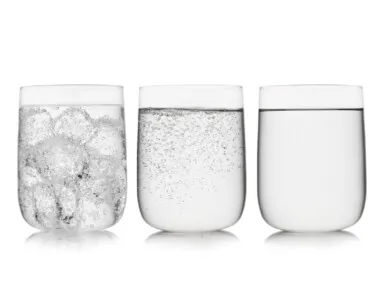
Your Water in Dallas-Fort Worth: Hard, Soft, or Super Clean? Find Out What's Best!
Have you ever thought about the water you drink, shower with, or use to wash dishes right here in Dallas-Fort Worth? Not all water is the same! What comes out of your tap can be very different from your neighbor's, and it can affect your home and even how you feel.
At ClrWtrCo, we help families like yours understand their water and make it the best it can be. We're your local Dallas-Fort Worth water experts! Let's look at the different kinds of water and what they mean for you.
What's Coming Out of Your Faucet?
Most homes in the DFW area get water from the city. This water is cleaned to be safe to drink. But even safe water can have other things in it that cause problems. Let's explore!
Hard Water: The Sneaky Problem
What is it? Hard water has lots of tiny, natural rocks and minerals dissolved in it, like calcium and magnesium. Think of it like invisible tiny pebbles floating in your water!
How does it affect you?
- Spots on Dishes: Ever see white spots on your "clean" dishes or shower door? That's hard water leaving mineral residue.
- Dry Skin & Hair: Hard water can make your skin feel dry and itchy, and your hair can look dull and lifeless.
- Soap Scum: It makes soap hard to lather and leaves sticky "scum" in your tub and sink. This means more cleaning for you!
- Appliance Damage: Over time, these minerals can build up inside your water heater, washing machine, dishwasher, and other appliances. This makes them work harder and break down faster, costing you money.
Many homes in the Dallas-Fort Worth area deal with hard water. It's a very common issue!
Soft Water: The Smooth Solution
What is it? Soft water has very few of those hard minerals. It feels different – smooth and clean!
How does it affect you?
- Cleaner Dishes: No more spots! Your dishes will be shiny and sparkling.
- Happy Skin & Hair: Your skin will feel softer and smoother, and your hair will be silkier and brighter.
- Less Cleaning: Soap will lather easily, meaning less soap scum and less scrubbing for you. Your bathroom will stay cleaner longer.
- Longer-Lasting Appliances: No mineral buildup means your water heater and other appliances will work better and last much longer, saving you money on repairs and replacements.
Soft water is what many people want for their homes because it makes daily life easier and better.
Filtered & Clean Water: The Healthier Choice
What is it? Filtered water is water that has gone through a special cleaning process (a filter!). This filter takes out things you don't want, like chlorine (which can make water taste funny), dirt, and other tiny particles that might still be in your city water.
How does it affect you?
- Better Taste: Your drinking water will taste fresh, pure, and delicious, making it easier to stay hydrated.
- Safer to Drink: Filters can remove tiny things that might make you sick or taste bad, giving you peace of mind.
- Peace of Mind: You'll know your family is drinking the cleanest water possible directly from your tap.
A good filtration system gives you confidence in every glass of water.
ClrWtrCo: Your Water Experts in DFW
So, which type of water is right for you? Most families in Dallas-Fort Worth want soft, clean water! It's better for your health, your home, and your wallet in the long run.
This is where ClrWtrCo comes in. We are local experts right here in DFW. We know all about the water in our area and what it takes to make it great.
We can check your home's water to see if it's hard or if it has other issues. Then, we can help you pick the best water system for your whole house. Our systems work hard to give you soft, clean, great-tasting water from every tap.
Imagine...
- Enjoying a truly refreshing glass of water.
- Having softer skin and shinier hair after every shower.
- Seeing sparkling clean dishes and a sparkling clean bathroom.
- Knowing your appliances are safe from mineral damage.
ClrWtrCo makes this dream a reality for many homes like yours across the Dallas-Fort Worth area.
Ready to find out what kind of water you have and how we can make it better?
It's easy to start! Just enter your zip code below to get your FREE home water system estimate.
No guessing, just clear answers and solutions from your trusted DFW water team.
[Imagine a button or form field here for "Enter your zip code"]