Is Distilled Water Best for Your Plants? ClrWtrCo Explains!
Is Distilled Water Best for Your Plants? ClrWtrCo Explains!
Want to know about your home's water quality? Enter your zip code now for a FREE estimate on a home water system from ClrWtrCo!
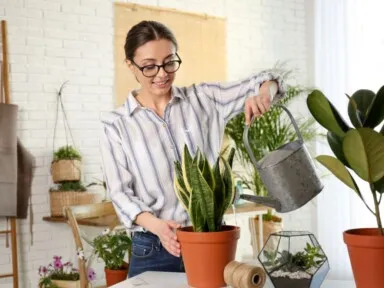
Your houseplants are more than just pretty decorations; they're like family! From big, leafy monsteras to spiky snake plants, these green friends make our homes feel alive. But keeping them happy and healthy brings up a big question: What kind of water is best for them?
Many plant lovers wonder if distilled water is the top choice for their green pals. It's a common question! Distilled water has good points and not-so-good points. What works best truly depends on what your plants need. Let's learn all about distilled water so you can keep your houseplants thriving!
What is Distilled Water?
Distilled water is super clean water. It's made by boiling regular water until it turns into steam. This steam leaves behind all the dirty stuff, bad chemicals, and minerals that were in the water. Then, the clean steam cools down and turns back into liquid water. This special process makes the water very pure.
Many people choose distilled water for their plants because it doesn't have things like chlorine or fluoride, which can be found in regular tap water and might not be good for some plants. The water left in the boiling pot, with all the leftover impurities, is thrown away.
Is Distilled Water Good for Plants? The Good and the Not-So-Good
The answer isn't simple! Distilled water can be great for some plants, but not all.
The Good Things About Distilled Water for Plants:
- No Bad Chemicals: Distilled water is free of chemicals like chlorine and fluoride that often come in tap water. These chemicals can slowly build up in plant soil and hurt sensitive plants over time.
- Safe for Sensitive Plants: Some indoor plants, like orchids and dracaenas, are very picky. They love distilled water because it's so pure and won't upset them.
The Not-So-Good Things About Distilled Water for Plants:
- Missing Good Minerals: Plants need certain minerals, like calcium and magnesium, to grow strong. These are often found in tap water. Distilled water takes out all minerals, even the good ones. So, plants might miss out on important nutrients.
- Not a Magic Fix: Distilled water won't make your plants grow super fast on its own. It's just a clean drink. You still need to give your plants food (fertilizer) to help them grow big and strong.
So, is distilled water the secret to perfect plants? Not always! It's about finding the right water for each plant.
Smart Tips for Watering Your Plants with Distilled Water
If you choose to use distilled water for your houseplants, keep these tips in mind:
1. Add Plant Food: Since distilled water has no minerals, make sure to feed your plants with plant fertilizer regularly. This gives them the nutrients they need to stay healthy.
2. It Won't Harm Plants (with Fertilizer): Distilled water is perfectly safe when you also give your plants proper food.
3. Match Water to Plant: Different plants like different kinds of water. Distilled water is best for plants that don't like chemicals in tap water. But tough plants might do just fine with regular drinking water that has good minerals.
Which Plants Love Distilled Water?
Some plants are truly happy with distilled water. These include:
- Orchids: These beautiful flowers are very sensitive.
- Ferns: Many types of ferns prefer pure water.
- Carnivorous Plants: Plants like Venus flytraps and pitcher plants need very clean water because they get most of their nutrients from bugs, not from minerals in the soil or water.
These plants thrive in pure water, free from the heavy metals and fluoride often found in tap water.
Can You Use Bottled Water for Plants?
You can use bottled water for plants, but it might not be the best choice. Some bottled waters still have minerals or other things added that sensitive houseplants might not like. For consistent and reliable plant care, very pure water like distilled water, or filtered water from a good home system, is often better. This helps stop unwanted stuff from building up in your plant's soil.
How to Make Tap Water Safer for Plants
Don't want to buy distilled water all the time? ClrWtrCo has solutions!
1. Let it Sit: A simple trick is to pour tap water into a bucket or watering can and let it sit out for 24 hours. This allows some of the chlorine to evaporate out of the water.
2. Get a Water Filter: The best way to get cleaner water for all your home needs, including your plants, is with a home water filtration system. A good filter can remove bad stuff like chlorine and other impurities while keeping helpful minerals like calcium and magnesium that some plants love.
Find the Best Water Solutions for Your Home with ClrWtrCo
Whether you're caring for delicate orchids or just want to ensure your family drinks clean, clear water, ClrWtrCo is here to help. We are your local water experts in the Dallas-Fort Worth area, offering top-notch water filtration systems that provide the pure water you and your plants deserve.
Ready for cleaner, better-tasting water? Contact ClrWtrCo today for your FREE home water system estimate! We make getting clean water easy.