Protect Your Dallas-Fort Worth Home: An Easy Guide to French Drains from ClrWtrCo
Protect Your Dallas-Fort Worth Home: An Easy Guide to French Drains from ClrWtrCo
Water problems around your home can be a big headache. Too much water can harm your house's foundation (that's the sturdy base it sits on!), damage your yard, and even cause mold to grow in places like your basement or crawl spaces. If water just sits and doesn't drain away, it can weaken your home's structure over time, leading to very costly repairs.
ClrWtrCo understands how important it is to keep your home safe and dry. That's why we want to talk about French drains. A French drain is a smart way to move extra water away from your house, stopping floods and protecting your home for many years.
But how do you know if a French drain is right for you? This guide from ClrWtrCo will explain everything in simple terms.
Enter your zip code to get your FREE home water solution estimate from ClrWtrCo!
What Exactly Is a French Drain?
Imagine a hidden pathway for water. That's kind of what a French drain is! It's a special system built to move extra water away from where it's not wanted.
Here's how it works:
- We dig a long, narrow ditch (we call this a "trench").
- We lay a special pipe inside this ditch. This pipe has tiny holes in it, so water can get in.
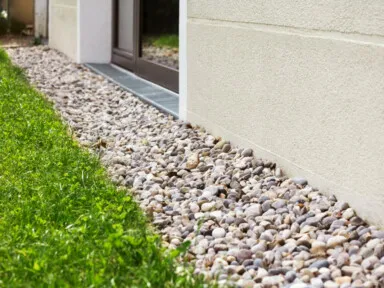
- We then fill the ditch with gravel or small rocks.
Water from rain, melting snow, or underground will soak through the gravel, get into the holed pipe, and then flow away. This stops water from collecting in puddles near your house, driveway, or soggy parts of your yard. It's a great choice for keeping your home dry and safe from water damage.
How Does a French Drain Keep Your Home Dry?
French drains use a simple trick: gravity! Think about how water always flows downhill. We dig the trench at a slight downhill slant. This means the water that enters the pipe will naturally roll away from your home.
The pipe guides the water to a safe exit point. This could be:
- A special pit (like a "dry well") that soaks up the water.
- A pump that pushes water away (a "sump pump").
- A larger public drain system (like a "storm drain").
This smart system stops water from soaking into the ground around your home's foundation, which prevents costly damage.
Sometimes, we add other helpful parts. A "curtain drain" is a shorter French drain often used near driveways to stop puddles. Many people also connect their roof gutters directly to the French drain. This way, all the rain from the roof also flows away safely!
Why Should You Get a French Drain?
People get French drains for many good reasons:
- Stop Flooding: No more scary water coming into your basement or crawl space.
- Protect Your Home's Base: Keeps your foundation strong by moving water away.
- Save Your Yard: Prevents soggy spots, mud, and keeps your landscaping looking nice.
- Get Rid of Standing Water: Solves the problem of puddles that attract mosquitos or damage plants.
- Avoid Costly Repairs: Fixing water damage later costs a lot more than preventing it now!
If you're dealing with any of these problems, a French drain from ClrWtrCo could be the perfect answer.
Different Kinds of French Drains
Not all French drains are the same. We choose the best type based on your home's needs.
Drains for Surface Water vs. Deep Water
- Surface Drains: These are great for puddles and water that sits on top of your yard or driveway. They are usually less expensive and simpler to put in.
- Deep Drains: If water is getting into your basement or causing problems deep around your foundation, you need a deep drain. These cost more because they need deeper digging and special materials.
Drains with Just Gravel vs. Drains with Pipes
- Gravel Drains: These are the simplest and often cost the least. It's just a trench filled with gravel. Water soaks into the gravel and moves away. But they need more cleaning to stop them from getting blocked.
- Piped Drains: These are more helpful. They use a special pipe with holes, hidden in the gravel. This pipe helps move water away better and lasts longer. They cost a bit more and usually need a pro to install them right, especially if your soil is tricky.
ClrWtrCo experts can help you pick the best kind for your home.
What Makes a French Drain Cost More or Less?
The price of a French drain can change based on a few things:
- How Deep and Long: A deeper, longer drain will cost more.
- Your Soil: Clay soil is harder to dig than sandy soil, which adds to the work.
- What Your Yard Looks Like: Moving plants or dealing with big rocks can add costs.
- Materials Used: Better pipes or more gravel can raise the price.
- Who Does the Work: Professionals might charge more for their skill and tools.
- Permits: Some towns need special papers (permits) before you dig, which cost a small fee.
Do It Yourself or Call a Pro?
You might wonder if you can put in a French drain yourself. Let's look at that.
Doing It Yourself (DIY)
- Saving Money: You won't pay for someone else's labor.
- Hard Work: Digging a long, deep ditch by hand is very hard.
- Getting It Right: It's tough to make sure the ditch slopes just right. If it's wrong, the drain won't work, and you might have bigger water problems later. This can lead to costly repairs!
Hiring a Professional (like ClrWtrCo)
- Done Right: Professionals know how to dig the ditch at the perfect angle and use the best materials.
- Faster and Easier: We have special tools to get the job done quickly and well.
- No Surprises: We know how to deal with things like buried wires or pipes, or hard ground.
- Peace of Mind: Many pros offer a guarantee. This means if something goes wrong, they'll fix it! ClrWtrCo wants you to feel safe and happy with your home's water solutions.
For a job as important as protecting your home's foundation, calling an expert is often the best choice for a lasting fix.
Keeping Your French Drain Working Well
Just like your car, your French drain needs a little care to keep doing its job.
Regular Check-ups
- Look for leaves, dirt, or anything blocking the drain's openings.
- Make sure water is flowing away nicely.
- Cleaning it now and then helps it last a very long time and stops bigger problems.
When Repairs Are Needed
Sometimes, things happen. A pipe might get crushed, or tree roots might grow into it. If water isn't draining like it should, it's time to call a pro from ClrWtrCo. We can find the problem and fix it so your drain works perfectly again.
Other Things to Think About
Beyond the drain itself, there might be a few other costs:
- Yard Repair: After digging, your yard might look a bit messy. You might need to plant new grass, flowers, or bushes to make it look pretty again.
- Other Water Systems: Sometimes, a French drain works even better with other systems. For example, a sump pump can push water out of your basement, or a good gutter system can direct roof water into your French drain. These extras add to the cost but give your home even more protection. ClrWtrCo can help you plan a full water management system for your home.
Protect Your Home with a French Drain Today!
A French drain is a smart investment for any homeowner in Dallas-Fort Worth dealing with too much water. It's a trusted way to stop water damage, keep your foundation strong, and make sure your yard stays healthy. By taking care of water problems now, you save money and stress later.
Ready to find out more about protecting your home from water damage?
Enter your zip code below to get your FREE home water solution estimate from ClrWtrCo!
Your French Drain Questions, Answered by ClrWtrCo
How long does a French drain last?
With good care, a French drain can protect your home for 20 to 30 years! Regular cleaning helps it last a long time.
Do I need a permit to install a French drain?
It depends on where you live. Some towns want you to get a special paper (a permit) before you dig, especially for bigger projects. Always check with your local city office.
How can I make a French drain less expensive?
You can save money by doing smaller sections, choosing simpler gravel drains, or finding materials nearby. A ClrWtrCo expert can help you find smart ways to save.
Will a French drain make my home more valuable?
Yes! A good French drain protects your home from water damage and foundation problems. This makes your home safer and more attractive to buyers, which can increase its value.
Does hard water affect a French drain?
No, the "hardness" of your water (how many minerals are in it) doesn't change how a French drain works. French drains move water outside your home. But if you're worried about hard water causing mineral buildup inside your home's pipes or appliances, ClrWtrCo can help with that! We offer excellent home water filtration and softening systems to give you cleaner, better water inside your Dallas-Fort Worth home.