Paws-itively Healthy! Why Clean Water Makes Your Pet Happy (and What DFW Owners Need to Know)
Paws-itively Healthy! Why Clean Water Makes Your Pet Happy (and What DFW Owners Need to Know)
Ready for sparkling clean water? Get your FREE home water test from ClrWtrCo today! Just enter your zip code below.
Do you think about the water your pet drinks? Many pet owners don't! But the water your furry friend sips is just as important as the food they eat. Giving your pet clean water helps their body work right. It helps them digest food, keeps their organs healthy, and makes sure their body stays at the right temperature. When you give them cleaner water, you help make sure they aren't drinking anything bad.
This guide will teach you all you need to know to keep your pets healthy and drinking enough. We'll talk about good water habits, how to tell if your pet is thirsty, and different kinds of water you can give them. A happy pet with a wagging tail or a soft purr starts with clean water they can trust!
Why Water is So Important for Your Pet
Water is key to your pet's overall health. It's not just for when they're thirsty; their body needs it for almost everything! Water helps power all the important jobs inside them, keeping them playful, happy, and strong. Here are some of the main ways water helps your furry friend:
- Helps Food Break Down: Water helps their stomach and intestines digest food and get important nutrients.
- Keeps Organs Working: It helps organs like their kidneys and liver do their jobs and stay healthy.
- Body Temperature Control: Water helps them cool down when they're hot, especially dogs who pant.
- Moves Nutrients: It helps carry vitamins and minerals where they need to go in the body.
- Gets Rid of Waste: Water helps their body flush out bad stuff.
Without enough water, pets can get very sick. They could get dehydrated or have kidney problems. If it's hot outside and your pet doesn't drink enough, they could even get heatstroke. Clean, good-quality water is the building block for a healthy pet – keeping those whiskers twitching and tails wagging!
How Much Water Does Your Pet Need?
The amount of water your pet needs changes based on how big they are, their age, how active they are, and where they live. But here's a simple rule: most pets need about 1 ounce of water for every pound they weigh each day.
Keep in mind, if it's hot, if they've been playing a lot, or if they mostly eat dry food, they might need even more water. Pets who spend a lot of time outside in the summer need extra watching to make sure they drink enough.
Quick Tip: Think of how much water your pet needs as something that can change. If you're not sure, always offer them more fresh water!
Is Your Pet Thirsty? Signs of Dehydration
Is your pet drinking enough? Here are some simple signs to watch for if your pet might be thirsty:
- Tired or Slow: They might not want to play or move much.
- Dry Nose or Gums: Their nose might feel dry, or their gums might feel sticky and dry instead of wet.
- Skin Doesn't Snap Back: Gently pinch the skin on their back between your fingers, then let go. If it doesn't quickly snap back into place, they might be dehydrated.
- Sunken Eyes: Their eyes might look a bit hollow.
- Less Peeing: They might pee less often or in smaller amounts.
Different pets can show thirst in different ways. Cats might seem extra sleepy or stop cleaning themselves as much. Dogs often pant a lot or take longer to feel better after playing. Watching for these clues can help you act fast to keep your pet healthy.
What's Hiding in Your Tap Water?
Tap water is easy to get, but it can sometimes have hidden things that might not be good for your pet's health. Even water that meets government safety rules can be a problem for sensitive pets. Here's a look at some common things found in tap water and how they can affect your pet:
- Chlorine and Chloramines: These are chemicals used to clean water. They can make your pet's skin and fur dry or even upset their stomach.
- Heavy Metals (like Lead and Copper): These can get into your water from old pipes. Too much of them can hurt your pet's kidneys or cause stomach problems.
- Pesticides and Herbicides: These chemicals are used on plants and lawns. They can sometimes get into water and cause allergies or other health problems in pets.
- Bacteria and Viruses: If your water isn't clean, it can have germs that cause infections.
- PFAS (Forever Chemicals): These man-made chemicals are found in many products and can get into water. They can mess with your pet's body chemicals and might increase health risks over time.
Most pets can drink tap water without any issues. But some pets might feel the effects of these things more, especially if they already have health problems. By having your water tested and using water filters, you can make sure every sip your pet takes is safe and fresh.
Schedule a free home water test with ClrWtrCo! We can help you find out what's in your water, for both your pets and your family here in Dallas-Fort Worth.
More Than Just Tap: Other Water Choices
If you'd rather give your pet something other than tap water, here are some other options, with their good and bad points:
- Bottled Water:
- Good: Easy to find, convenient for travel.
- Bad: Can create plastic trash, costs more, and isn't always cleaner than tap water.
- Filtered Water (like from ClrWtrCo systems):
- Good: Removes bad stuff, makes water taste better, can save money over time compared to bottled water.
- Bad: You need to change the filters regularly.
- Distilled Water:
- Good: Very pure, removes almost everything.
- Bad: Removes helpful minerals too. Not good for pets to drink all the time because they need those minerals.
Every pet is different, so think about what's best for your pet when you pick their water.
Smart Tips for Keeping Your Pet Hydrated
It can be hard to get some pets to drink enough water. Here are some ideas to help them drink more:
- Lots of Water Bowls: Put water bowls in different spots around your home.
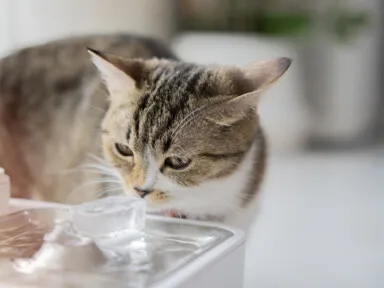
- Pet Water Fountains: Some pets love to drink from running water.
- Add Wet Food: Mix some wet food into their dry food to give them extra moisture.
- Ice Cubes: Many pets enjoy chasing and licking ice cubes – a fun way to get more water!
- Natural Flavors: Add a tiny bit of pet-safe bone broth to their water to make it more appealing.
- Water on the Go: For trips or walks, bring a portable pet water bottle or a foldable bowl so your pet can always have fresh water.
Clean Bowls, Clean Water: A Winning Team
Keeping your pet's water bowl clean and checking your water quality work together to keep your pet safe.
- Clean Bowls Daily: Wash their water bowl every day. This gets rid of a slimy build-up called "biofilm," which is full of germs that can grow in still water.
- Deep Clean Weekly: Once a week, clean their bowl really well with pet-safe cleaners to make sure it's super clean.
Pet-safe cleaning solutions include:
- Dish soap and warm water (rinse very well!)
- A mix of apple cider vinegar and water (rinse well)
- A very small amount of bleach mixed with water (rinse, rinse, rinse many times!)
On the other hand, water quality testing helps you know for sure that your water doesn't have harmful things in it. While small home test kits can give you a quick idea, they often miss certain bad minerals and chemicals. For the most accurate results, it's best to have a professional test your water.
At ClrWtrCo, we offer free home water tests right here in the Dallas-Fort Worth area. We can help you find out what's really in your water.
Make Every Sip Count for Your Best Friend
Every drink your pet takes helps them stay healthy and happy. Good hydration keeps their body working well, and cleaner water keeps bad things away. Simple changes, like giving them fresh bowls, testing your tap water, and using water filters, can make a big difference in how well your pet lives.
Want to make sure your pet gets the best water? Check out ClrWtrCo’s water filtration systems. We make it easy to get clean, safe water for your whole family and your pets. Our systems are built to the best standards, making sure the water your pet drinks is cleaner, safer, and tastes better.
Because every sip truly counts in keeping your best friend healthy and happy!