Chlorine & Chloramines in Your Drinking Water: What Does Your City Use?
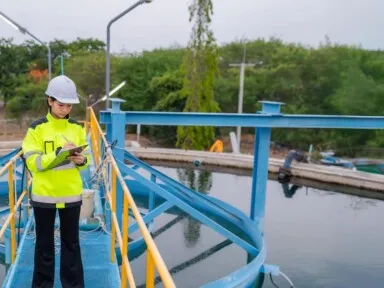
Chlorine & Chloramines in Your Drinking Water: What Does Your City Use?
Does the water from your tap seem clean? It might look clear, but there's a good chance your city adds special chemicals to it. These chemicals help keep you safe, but they can also bring questions about taste and what you're really drinking.
At ClrWtrCo in Dallas-Fort Worth, we believe everyone deserves clean, great-tasting water. Want to know what's in your home's water and how to make it even better?
Enter your zip code to get your FREE home water system estimate today!
What's Cleaning Your Water? Meet Chlorine and Chloramine!
For a very long time, cities have added special chemicals to drinking water. This is to kill tiny, harmful germs like bacteria and viruses that can make you sick. These chemicals are super important for public health!
The two main chemicals used are:
- Chlorine: This has been used for over 100 years! It's great at killing germs fast. You might know its smell – like a swimming pool!
- Chloramine: This is a newer choice for many cities. It's a mix of chlorine and another chemical called ammonia. It works a bit slower but stays active in the water longer as it travels through pipes to your home.
Why Are These Chemicals So Important?
Think of these chemicals as water guardians. They stop bad germs like E. coli and other tiny bugs from spreading through our water supply. This is one of the biggest ways we've made people healthier over the last 100 years! Without them, many more people would get sick from water. They make sure the water reaching your faucet is safe to drink.
The Good and the Things to Think About
Both chlorine and chloramine do a super important job: they make your water safe to drink from dangerous germs.
But they also come with a few things to think about:
- Taste and Smell: Chlorine can make your water taste and smell like a pool. Chloramine usually doesn't smell as strong, but it can still change the water's taste.
- Long-Term Worries: Even though they keep water safe from germs, some people wonder about having these chemicals in their water every day for many years.
- Hidden Chemicals: When chlorine and chloramine mix with other natural stuff in water, they can create new tiny chemicals. These are called "disinfection byproducts." Scientists are studying if these byproducts could have health effects over a very long time, especially for certain people.
The good news is, our government (the EPA) sets rules on how much of these chemicals can be in your water. Cities check their water often to make sure it's safe and stays below these limits.
Who Might Need to Be Extra Careful?
For most people, the small amounts of chlorine or chloramine in tap water are fine. But some people might want to be extra careful and filter their water:
- Babies and Expecting Moms: Their bodies are still growing and changing.
- People with Weak Immune Systems: People who are sick often or have certain health problems.
- Kidney Dialysis Patients: These special machines need super pure water.
- Fish Owners: Chlorine and chloramine are very bad for fish! You must remove them from fish tanks.
- Homebrewers: If you make your own beer, these chemicals can change the taste.
How Cities Choose Their Water Cleaners
Every city wants to give you safe water, but they pick what works best for their pipes and people.
- Cities Using Chlorine: Some big cities still use chlorine. It's fast, kills germs quickly, and costs less. It's often used where water doesn't have to travel super far.
- Cities Using Chloramine: Other cities use chloramine. It stays active longer, which is good for places with really long pipes. It also makes fewer of those regulated byproducts (the ones the EPA watches closely) than chlorine.
- Seasonal Switch: Some cities that normally use chloramine will switch to chlorine for a few weeks each year. This is like giving the water pipes a deep cleaning to keep them fresh!
Find Out What Your City Uses!
It's easy to learn what's in your tap water! Knowing this helps you pick the right way to filter it for your home.
- Check Your City's Water Report: Every year, your city sends out a "Consumer Confidence Report" (CCR). It's often mailed or put on their website. It tells you all about your water quality.
- Call Your Water Company: Just give them a call! They can tell you if they use chlorine or chloramine.
- Look Online: Many city water department websites have this info.
Filtering Your Water at Home in Dallas-Fort Worth
Even if your city's water meets all the rules, many families in Dallas-Fort Worth still choose to filter their water. This can make water taste better, reduce those byproducts, and give you peace of mind.
But not all filters are the same!
- For Chlorine: Most simple carbon filters (like those in water pitchers or refrigerator filters) can take out chlorine.
- For Chloramine: Chloramine is harder to remove! You need a special kind of filter called catalytic carbon. Or, a Reverse Osmosis (RO) system often has a catalytic carbon filter inside to help it remove chloramine really well.
Make sure your filter matches what your city uses! If your city uses chloramine, you need a filter built for it.
ClrWtrCo Can Help You Get Cleaner Water!
At ClrWtrCo, we are your local Dallas-Fort Worth water experts. We can help you understand your water and find the perfect filter for your home. We'll make sure you get clear, great-tasting water straight from your tap, every day!
Want to know for sure what's in your home's water?
Contact us today for a FREE home water test from our friendly experts at ClrWtrCo!
Frequently Asked Questions About Your Water
#### Is chloramine-treated water safe to drink?
Yes, for most people, it's safe. The government (EPA) sets limits on how much can be in your water. But for special cases like kidney dialysis or fish tanks, you MUST remove chloramine, even tiny bits, because it can be harmful. Knowing what's in your water and filtering it the right way is smart.
#### Do all water filters remove chloramine?
No, they don't! Simple carbon filters, like those in many water pitchers, are good for chlorine but not for chloramine. To get rid of chloramine, you need a special filter with catalytic carbon. Many advanced systems like Reverse Osmosis (RO) also use catalytic carbon to do the job. Always check what your filter says it can remove!
#### Why do cities sometimes switch between chlorine and chloramine?
Cities choose based on their water pipes, money, and what's best for health. Chloramine stays active longer in really long pipes. Chlorine works faster and costs less. Sometimes, cities that use chloramine will switch to chlorine for a few weeks once a year. This is like a special cleaning for the water pipes to keep everything fresh and safe!