Well Water Worries? How to Get Clean Water for Your Home
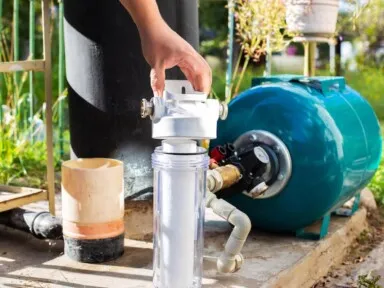
Well Water Worries? How to Get Clean Water for Your Home
Is your well water safe to drink? Here at ClrWtrCo, your local Dallas-Fort Worth water experts, we want every home to have clean, safe water. If you get your water from a private well, keeping it clean is a big job. Let us help you understand what might be in your water and how we can make it sparkling clean!
Ready for cleaner water? Enter your zip code to get a FREE home water system estimate from ClrWtrCo today!
Did you know that many homes in America get their water from private wells? A big government study found that bad stuff, sometimes called "forever chemicals," can be in well water. The EPA, a government group that protects our environment, also warns that changes in weather can bring even more dirt and chemicals into our water.
This means it's super important to know what might be making your well water unsafe and what to do about it.
City water is checked by local towns, but if you have a private well, you are in charge of making sure your water is safe. Wells can get dirty from many things, both natural and from people.
Where Do Bad Things in Well Water Come From?
The EPA says there are many ways well water can get dirty. Think of things like:
- Farms: Chemicals from fertilizers or animal waste can get into the ground.
- Factories and Cities: Waste from businesses or even trash dumps (landfills) can seep into the earth.
- Septic Systems: These are like small sewer systems for homes not connected to city pipes. If they leak, germs and dirt can get into your well.
- Old Pipes: The pipes in your house or leading to your well can wear out and add bad stuff to your water.
- Spills: Oil or chemical spills on the ground can easily find their way into your well.
Besides things people do, nature can also make well water dirty. For example, a natural metal called arsenic can come from rocks deep underground. Another natural gas called radon can also get into your water from the earth.
Why Clean Water Matters: Your Health
Drinking dirty well water can make you sick. You might get tummy aches or stomach problems. Some bad stuff in water can even make you sicker over a long time, increasing your risk of serious health problems like cancer.
Other problems from dirty water can include:
- Hurting your nerves or other body parts.
- Making your bones and joints sore.
- Damaging kids' teeth.
- Even making babies' skin look blue if they don't get enough oxygen in their blood (called "blue baby syndrome").
Types of Bad Stuff in Your Well Water
Well water can have many kinds of "contaminants" (that's the fancy word for bad stuff). These usually fall into three main groups:
1. Tiny Living Things (Microbial): These are often germs like bacteria and viruses. They can make you sick very quickly, especially with stomach problems. They often come from animal waste, trash dumps, or farm fertilizers.
2. Chemicals: These often come from things people do, like farming or factories. They can be very harmful over time and can increase serious health risks. Examples include chemicals from house pipes, fertilizers, or sewage.
3. Things You Can See (Physical): When your water has these, you can often notice it. Your water might look cloudy or change color. This can happen from dirt running off the ground, old rusty pipes, or other small bits of stuff in the water.
How to Tell if Your Well Water is Dirty
Sometimes, dirty well water looks, tastes, or smells just fine. But there are some common warning signs to watch for. If you see any of these, it's a good idea to get your water checked!
- Strange Taste: Your water tastes metallic, salty, or like chemicals.
- Odd Smell: Your water smells like rotten eggs, chlorine, gasoline, or sewage.
- Cloudy or Murky Water: The water isn't clear; it looks milky, foggy, or has floating bits.
- Stains on Clothes or Sinks: Orange, brown, blue, or green stains on your laundry, sinks, toilets, or dishes.
- Soap Doesn't Lather: Your soap doesn't make many bubbles, or your skin feels slimy after washing.
- Upset Stomachs: People in your home keep getting stomach problems without a clear reason.
If you notice any of these signs, don't wait! It's time to get your water tested.
The Most Important Step: Testing Your Well Water
Because no one else checks your well water, you need to test it often. The EPA suggests you test your well water at least once a year. They recommend checking for common things like bacteria, nitrates, and how acidic your water is.
You should test even more often if:
- You have babies, young children, or pregnant people in your home.
- Elderly people live with you.
- Your well has had problems before.
- There's been flooding or new building near your well.
How to test your water:
1. Hire a Pro: The best way to test your water is to have experts like ClrWtrCo do it. We know what to look for and how to get the most accurate results.
2. DIY Kits (for basic checks): You can buy simple test kits at stores, but these often only check for a few things and aren't as thorough as professional testing.
Making Your Well Water Safe Again: Solutions from ClrWtrCo
If your well water tests show bad stuff, don't worry! There are proven ways to clean your water and make it safe to drink again. The right solution depends on what's making your water dirty.
Water systems from ClrWtrCo are the first step to clean water. Different systems target different problems:
- Water Filtration Systems: These systems act like a sieve, catching or removing bad stuff from your water.
- Sediment Filters: Catch dirt, rust, and sand, making your water clear.
- Carbon Filters: Take out bad tastes, smells, and chemicals like chlorine.
- Softener Systems: Remove hard minerals like calcium and magnesium, which cause stains and scale.
- Disinfection Systems: Instead of just catching bad things, these systems kill or stop tiny living things like bacteria and viruses before they get to your tap.
- UV (Ultraviolet) Treatment: Uses special light to destroy germs in the water.
- Advanced Treatment Systems: For bigger problems or unique water concerns, we might suggest special systems like:
- Reverse Osmosis (RO): A very powerful filter that pushes water through a super fine screen to remove tiny particles, chemicals, and even some metals. This is great for drinking water at the tap!
- Whole-Home Systems: These systems treat all the water coming into your house, so every faucet gives you cleaner water.
Keeping Your Well Water Clean: Easy Tips
Having the right systems helps, but you can also do things to keep your well water safe for a long time. Here's how to prevent problems:
- Protect Your Well Area: Keep chemicals, animal waste, and trash far away from your well. Make sure the ground slopes away from your well so dirty water runs off.
- Check Your Well Head: Look at the top of your well. Is it sealed tight? Are there any cracks? Fix any problems right away.
- Pump Your Septic System: If you have a septic system, get it pumped every few years to keep it working right and prevent leaks.
- Don't Dump Waste: Never pour chemicals, old paint, or motor oil on the ground near your well.
- Regular Testing: Remember, test your water at least once a year, or more if needed!
Your Partner for Clean Water in Dallas-Fort Worth
Private well owners have a special job: taking care of their own water. Even if you try your best, sometimes water can still get dirty. That's why testing your water often and checking your well for any problems is so important. Drinking dirty water can be very dangerous, especially for babies, young children, pregnant people, and the elderly.
The good news is that ClrWtrCo has great solutions! Our advanced filtration systems and disinfection methods can help make your well water cleaner, safer, and dependable. You won't have to worry about city water rules – you'll have control over your own pure water supply.
When you're ready to take control of your home's water quality, trust the local experts at ClrWtrCo in Dallas-Fort Worth. We're here to help you explore the best Well Water Filtration & Treatment Systems for your home.
Common Questions About Well Water
How often should I test my well water?
Government health groups suggest you test your well water at least once a year. But if you have young children, pregnant people, or elderly folks in your home, it's wise to test more often.
Can I fix my well water problems by myself?
While you might be able to do some small things, it's usually best to hire professionals like the experts at ClrWtrCo. Our team offers peace of mind with accurate testing and the right treatment to make sure your water is truly clean and safe to drink.
Is bottled water better than well water?
Not always! Bottled water isn't always checked more carefully than city or well water. It can still have bad stuff in it. With the right testing and treatment, your well water can be just as safe (and often better for the planet and your wallet) than buying bottled water.
How do I choose the right water filter for my well?
The best way to get the right filter is through good water testing. By working with professionals like ClrWtrCo, we can find out exactly what's wrong with your well water. Then, we can help you choose a special water solution that fits your home's unique needs.