Say Goodbye to Hard Water! How to Pick the Best Softener for Your Home
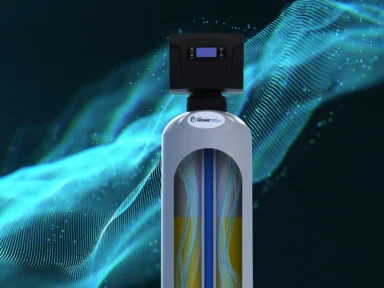
Say Goodbye to Hard Water! How to Pick the Best Softener for Your Home
Ready for softer skin, cleaner dishes, and appliances that last longer?
Enter your zip code to get your FREE home water system estimate from ClrWtrCo today!
Do you have dry, brittle hair after a shower? Are you always scrubbing stubborn white spots off your shower walls and sink? Or maybe your dishwasher and washing machine just aren't lasting as long as they should?
If you said yes to any of these, hard water might be the problem. Think of hard water like water with too many tiny invisible rocks in it. These "rocks" are dissolved minerals, mostly calcium and magnesium. They cause all those annoying problems you see around your home. A lot of homes in the U.S. (about 85%) have hard water!
What Does a Water Softener Do?
This is where a water softener comes in! It’s like a superhero for your water. It helps get rid of those tiny mineral "rocks." When the water becomes soft, good things happen:
- Your hair feels smoother and shinier.
- Your soap lathers better, so clothes get cleaner and dishes sparkle.
- No more ugly limescale buildup on your shower doors and faucets.
- Your appliances, like water heaters and dishwashers, work better and last longer!
A water softener helps turn that hard, mineral-filled water into lovely, soft water.
Choosing the Right Water Softener: We'll Help!
It can feel a bit tricky to pick the best water softener for your home. But don't worry! We'll make it easy by looking at a few important things:
- Size: How big of a softener do you need?
- Types: Are there different kinds?
- Cost: What should you expect to pay?
- And more!
Softening vs. Conditioning: What's the Difference?
You might hear about "water softeners" and "water conditioners." They sound similar, but they do different jobs:
- Water Softener: This system removes the hard minerals from your water. It actually takes out the calcium and magnesium. This is the most complete way to get rid of hard water problems. With soft water, your appliances last longer, soap works better, and your drinking water feels higher quality.
- Water Conditioner: This system changes the hard minerals so they don't stick to things as easily. It doesn't actually remove them from the water. So, your water is still technically "hard," but the minerals are less likely to build up as scale.
For truly soft water and all its benefits, a water softener is usually the best choice.
Two Main Ways to Treat Hard Water
There are two main types of systems people use to tackle hard water:
1. Salt-Based Water Softeners (Ion Exchange)
2. Salt-Free Water Conditioners
Let's look at how they work!
1. Salt-Based Water Softeners: The Most Popular Choice
These are the most common and effective water softeners. Here’s how they work simply:
- They use special salt (either sodium or potassium) to power a special "swap."
- Inside the softener, there are tiny beads. These beads have the salt attached to them.
- When your hard water flows through, the beads grab onto the hard minerals (calcium and magnesium) like a magnet.
- Then, they release the harmless salt into the water instead.
- This "swap" means the hard minerals are gone, and your water is now soft!
2. Salt-Free Water Conditioners: Changing the Minerals
A salt-free water conditioner doesn't remove the hard minerals. Instead, it changes them!
- It uses a special process (called Template Assisted Crystallization, or TAC) to turn the hard minerals into tiny, harmless crystals.
- These crystals are much harder to stick to your pipes and shower walls.
- So, while the water is still technically "hard," you'll see less scale buildup.
- This can be a good option if your area doesn't allow salt-based systems, or if you're on a low-sodium diet and worry about adding a tiny bit of salt to your water.
Finding the Best Water Softener for Your Home
Picking the right softener isn't just about how much water you use. You need to think about a few important things:
- How hard is your water?
- How much water does your family use each day?
- How much space do you have for the softener?
- What's your budget?
Step 1: Know Your Water Hardness and Usage
Before anything else, you need to know two key things about your home's water:
1. How Hard Is It? Water hardness is measured in something called Grains Per Gallon (GPG). The higher the GPG, the harder your water is. You can find this out by:
- Buying a simple water test kit.
- Calling your city's water department.
- Even better: Get a FREE professional water test from a water expert at ClrWtrCo! We can tell you exactly how hard your water is.
2. How Much Water Do You Use? This depends on how many people live in your home and how much water you use for showers, laundry, and dishes. A typical family of four uses about 400 gallons of water each day.
Why do these matter? Because the harder your water and the more you use, the bigger and stronger your water softener needs to be!
Example: If your water hardness is 5 GPG, and your family uses 400 gallons a day, you'll need a softener that can handle 2,000 grains of hardness each day (5 GPG x 400 gallons = 2,000 grains).
Step 2: Think About Your Budget
The price of water treatment systems can change a lot. It depends on the brand you choose and how big of a system your home needs. For an exact price based on your home, schedule a free chat with a ClrWtrCo water expert.
Step 3: Where Will It Go?
Water softeners need a bit of space, usually in your garage, basement, or utility closet. The amount of space depends on the size of the softener you pick. Our experts can help you find the best spot!
Step 4: Look for Quality Certifications (Like NSF)
When you're looking at water softeners, keep an eye out for special badges or labels. For example, the National Sanitation Foundation (NSF) gives a big "thumbs up" to efficient water softeners.
- If a softener is "NSF Certified," it means it's been tested very carefully by the NSF and meets their high standards. This is like getting a gold star for quality and safety! (For example, ClrWtrCo's water tanks are NSF-certified, meaning they're super strong and durable.)
- If it just says "certified to NSF standards," it means it might meet the standards, but the NSF didn't do its own special testing. "NSF Certified" is always better!
Special Things to Think About
- Rules Where You Live: Some places don't allow salt-based water softeners. States like California, Connecticut, Massachusetts, Michigan, and parts of Texas have rules or limits on these systems because of the water they use. If you live in one of these areas, a salt-free conditioner might be your best bet.
- Well Water vs. City Water: If your home gets water from a well, it often has more hard minerals than city water. That's because well water comes straight from the ground without a lot of treatment. So, if you have well water, a water softener is usually extra important!
Get Softer Water Today with ClrWtrCo!
Choosing the right water softener is a big step for your home. It protects your appliances, keeps your pipes clean, and makes everyday life more comfortable. That's why it's so important to know about your water's hardness and how much water you use.
Don't guess! For a full solution to your water softening needs, including expert advice and professional installation, contact ClrWtrCo. We'll help make sure your Dallas-Fort Worth home enjoys all the wonderful benefits of softer water!
Common Questions About Water Softeners
What does GPG mean?
GPG stands for "grains per gallon." It's a way to measure how many dissolved hard minerals (like calcium and magnesium) are in your water. A higher GPG means your water is harder. It usually goes from 1 GPG (slightly hard) to 10.5 GPG or more (very hard).
What is "grain capacity" for a water softener?
The "grain capacity" tells you how many hard minerals a water softener can remove before it needs to clean itself (this is called a "regeneration cycle"). It's like how much dirt a vacuum cleaner can hold before you have to empty it.
How do I know what size water softener I need?
The size depends on how much water your family uses and how hard your water is. Here's a quick way to figure it out:
- Hardness level (in GPG) × daily water use (in gallons) = daily capacity needs.
For example, if your water is 5 GPG hard, and your family of four uses about 400 gallons of water per day, you need a softener that can handle 2,000 grains of hardness each day (5 GPG x 400 gallons = 2,000 grains).
Do I need a water softener AND a water filter?
Most likely, yes! They do different jobs:
- A water softener helps remove dissolved hard minerals like calcium and magnesium.
- A water filter helps reduce other unwanted things from your water, like chlorine, sediment, or other bad tastes and smells.
Water filters don't soften water, and softeners don't filter out everything else. They work great together for the best water in your home!